






Flat feet and barefoot shoes: help or harm?
“I have flat feet – shouldn't I be looking for arch support instead?” We hear this question in our store in Brno almost every week. The answer isn't black and white. Barefoot shoes won't cure flat feet on their own, but they can give your feet exactly what conventional footwear takes away: work. In this article we explain what flat feet actually are, when strengthening the arch is enough and when it's better to see a specialist.
What are flat feet and what forms do they take
Your foot doesn't rest on the ground with its whole sole. It is held up by three arches: the medial longitudinal, the lateral longitudinal and the transverse arch under the heads of the metatarsal bones. Together they work like a spring that absorbs impact and returns energy as you push off. When an arch drops, we speak of flat feet, or fallen or collapsed arches.
- Longitudinal flat foot is the best-known form. The inner edge of the foot moves close to the ground or touches it when you stand.
- Transverse flat foot shows up as a widening of the forefoot. Calluses and pressure points under the second and third toes are typical. It often goes hand in hand with bunions.
Flexible or rigid?
How your foot works matters more than how it looks. Try a simple test: stand on your tiptoes. If the arch appears, you have a flexible flat foot. This is far more common and responds well to strengthening. If the foot stays flat even on tiptoe and feels stiff, it's a rigid flat foot, and that belongs in the hands of an orthopaedic specialist.
Physiotherapists also point out that many feet that look “flat” actually have a perfectly fine arch. The problem lies in the ankle rolling inwards (a valgus heel), which only makes the arch seem to disappear. That's another reason to have your feet checked by a specialist before you reach for insoles.
Quick home test: Wet your foot and step onto paper or a dry tile. If you see a print of the whole sole without a clear narrowing in the middle, your arch is lowered.
Why arches fall and what the symptoms are
Flat feet usually have several causes at once:
- Weak foot muscles. The arch isn't held up only by bones and ligaments but also by small muscles in the foot. Lock them in a stiff shoe with a built-in arch for years and they have little reason to work.
- Genetics and naturally loose ligaments.
- Higher body weight and pregnancy, when the load increases and hormones loosen the ligaments.
- Age and overload. In adults, a common cause of acquired flat foot is a weakened tendon of the posterior tibial muscle, which supports the arch from below.
- Injuries to the ankle and foot.
Many people with flat feet have no problems at all. Others experience:
- pain or fatigue in the arch and heel, especially after standing for a long time,
- pain in the ankles, knees, hips or lower back,
- calluses and pressure points under the forefoot,
- shoes worn down on the inside.
If nothing hurts, a flat foot on its own isn't a diagnosis that needs “fixing”. It is still worth strengthening your arch to keep it that way.

Insoles for flat feet, or barefoot shoes?
The conventional approach to flat feet relies on passive support: arch-support insoles, orthopaedic footwear, a rigid heel. An insole lifts the arch and brings relief when it hurts. But it won't strengthen your muscles for you. If anything, it takes over the work they should be doing.
The barefoot approach comes from the other side: give the foot space and work so it can hold the arch up itself. What does the research say?
- People who go barefoot or wear minimalist shoes have flat feet much less often. A Harvard study (Holowka et al., 2018) showed that people used to minimalist footwear have stronger foot muscles and a stiffer arch than those who wear conventional shoes.
- Walking in minimalist shoes strengthens the intrinsic foot muscles. A systematic review confirms an increase in both their size and strength. A randomised study from 2024 recorded a change in foot posture and better balance after just four weeks of walking in minimalist shoes.
- Exercises work better than passive support. In an eight-week randomised study of flexible flat feet, exercises improved arch height and balance more than orthopaedic insoles did.
Does that mean insoles are useless? No. They have their place for pain, rigid flat feet and certain diagnoses where a doctor prescribes them. And barefoot shoes aren't a miracle cure. They are an environment in which the foot can get stronger. For a flexible flat foot without symptoms, though, it's an approach that makes sense, and research supports it more and more.
How to switch to barefoot with flat feet
With flat feet, the same rule applies as for everyone, only twice as much: go gradually. Muscles that have been resting for years need time.
- Start short. In the first weeks an hour or two a day is enough, then build up. Don't throw away your old shoes yet – alternate.
- Walk before you run. Only start running in barefoot shoes once nothing hurts even after a full day on your feet.
- Look for varied surfaces. Grass, forest trails and sand give your feet more work than flat concrete. On hard city pavements, a comfortable insole can help at first.
- Listen to your body. Muscle fatigue in the foot and calf is normal. Sharp pain in the arch, heel or ankle is not. Easing off is perfectly fine.
Which shoes to choose for flat feet
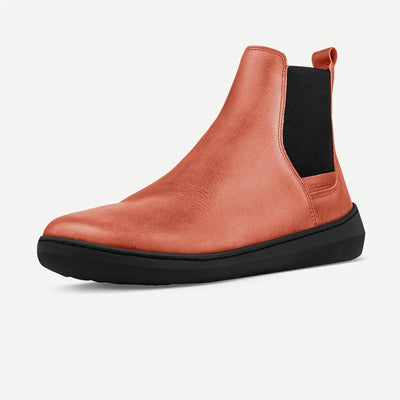
- A wide toe box, so your toes can spread out and help with balance.
- Zero drop, so your weight is distributed naturally.
- A flexible sole that lets your foot work.
- Good heel and instep hold. Especially if your ankle rolls inwards, you'll appreciate a shoe that holds the heel firmly so your foot doesn't slide around.

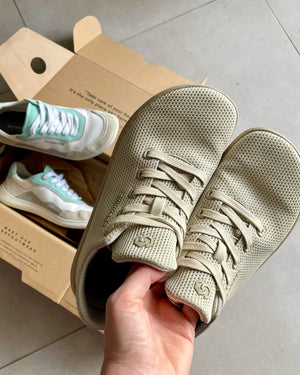
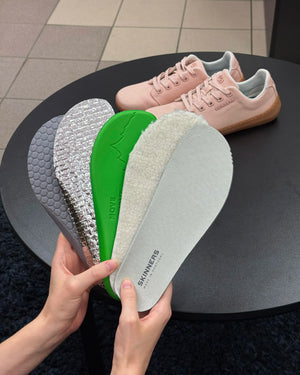
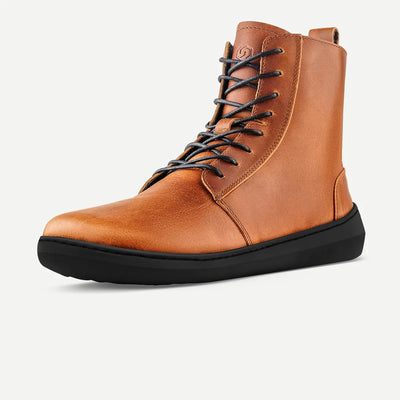
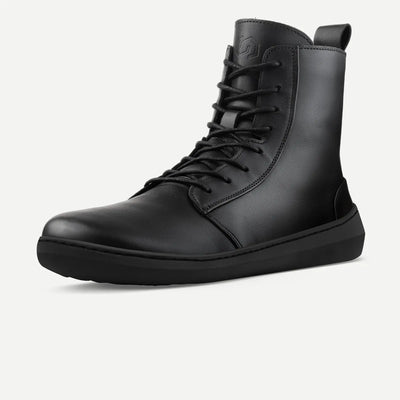
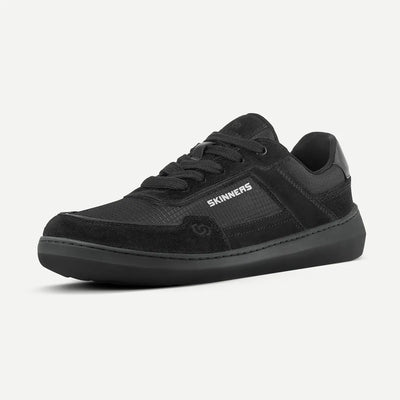
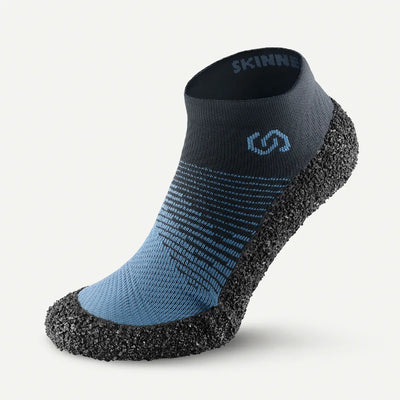
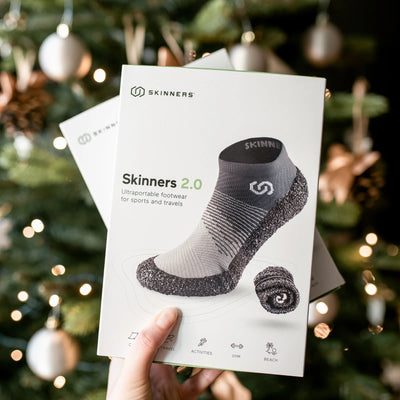
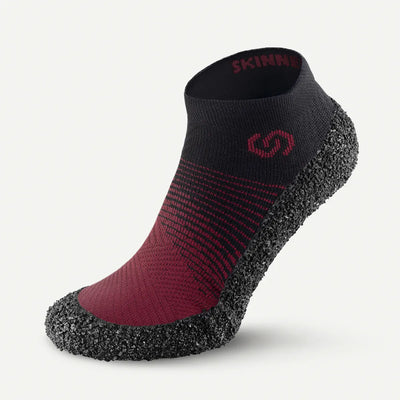
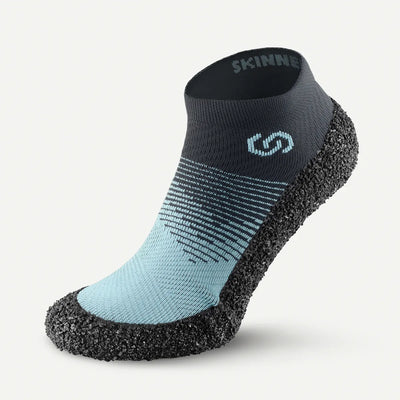
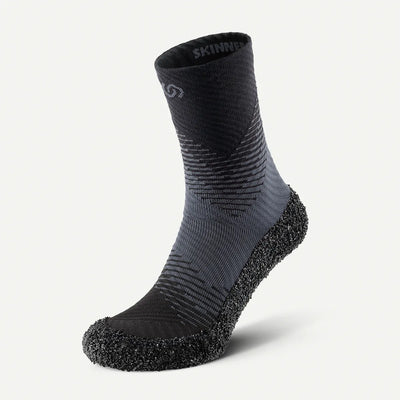
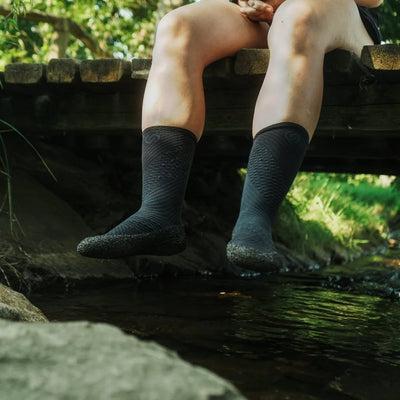
You can choose from women's and men's barefoot shoes. For home, the garden or the outdoors, sock shoes are great training for your arch, putting your feet almost directly on the ground. For the transition period and hard surfaces we recommend the Comfort+ insole, our most comfortable insole, which adds comfort without “lifting” the arch for you.
Exercises for flat feet and arches
Ten minutes a day is enough – while brushing your teeth or sitting at your computer. Exercise barefoot.
- Short foot. Sitting or standing, draw the ball of your big toe towards your heel so the arch lifts without curling your toes. Hold for 5 seconds, 10 repetitions. This is the basis of all arch exercises.
- Toe spreading. Spread your toes as wide as you can and hold for a while. It will be hard at first – that's normal.
- Towel scrunches. Scrunch a towel laid out on the floor with your toes and pull it towards you. More advanced? Pick up marbles or pencils.
- Slow calf raises. Rise onto your toes and lower your heels very slowly. Make sure your ankle doesn't roll inwards.
- Single-leg stance. 30 seconds on each leg; for a challenge, close your eyes or stand on a cushion.
- Walking barefoot. Whenever you can – on grass, sand or the carpet at home.
Flat feet in children: when to act
If your child's flat feet worry you, we have good news: in young children, flat feet are normal. All babies are born with flat feet, and the arch is also hidden by a fat pad that disappears at around 2 to 5 years of age. The arch develops gradually until roughly 10 to 12 years.
The numbers back this up. Almost every child under two has flat feet, around half of children aged 2 to 6, and only about one in ten between 8 and 13. Most children simply grow out of it.
And what helps? Movement and as much barefoot walking as possible. An older study from India (Rao and Joseph, 1992) found that children who wore shoes from an early age had flat feet significantly more often than children who went barefoot. Children's shoes with arch support are therefore usually not needed for a healthy, flexible flat foot. Flexible, roomy footwear and plenty of running around outdoors are better.
You should pay closer attention if:
- your child complains of pain in the feet, ankles or knees,
- tires quickly and refuses to walk,
- the arch doesn't appear even on tiptoe or the foot is stiff,
- only one foot is flat,
- flat feet persist after the age of ten or get worse.
In these cases, see a paediatric orthopaedic specialist.
When to see a doctor about flat feet
Barefoot shoes and exercise are great prevention and support, not a substitute for an examination. See an orthopaedic specialist or physiotherapist if:
- your arch, heel or ankle hurts long-term or the pain is getting worse,
- your arch has dropped over a short time as an adult, especially on one foot,
- you have swelling or pain on the inner side of the ankle,
- your foot is stiff and the arch doesn't appear even on tiptoe,
- you have diabetes, reduced sensation in your feet or a rheumatic condition.
A good physiotherapist will also show you whether it really is a fallen arch or the position of your ankle, and teach you exercises tailored to your feet.
Frequently asked questions
Can I wear barefoot shoes if I have flat feet?
Yes – with a flexible flat foot and no pain, usually yes. The key is a gradual transition and strengthening your feet. If you have a rigid flat foot or severe pain, consult an orthopaedic specialist or physiotherapist first.
Will barefoot shoes cure flat feet?
Not on their own. Barefoot shoes give your feet room to work, and research shows that walking in minimalist footwear strengthens the foot muscles. The best results come from combining barefoot shoes, walking barefoot and regular exercises.
Can I put insoles in barefoot shoes?
Yes. For the transition period and walking on hard surfaces we recommend the Comfort+ insole, our most comfortable insole. If your doctor has prescribed orthopaedic insoles, choose a barefoot shoe with enough room and a removable insole.

What are the best shoes for flat feet?
Ones that don't restrict your feet: a wide toe box, zero drop, a flexible sole and good heel hold. Orthopaedic footwear with firm arch support makes sense mainly when you're in pain and on a doctor's advice.
Do children need shoes with arch support?
Usually not. Flat feet are natural in young children and the arch develops until roughly 10 to 12 years of age. Movement and barefoot walking help most. If your child's feet hurt or only one foot is flat, see a paediatric orthopaedic specialist.
How long does it take to strengthen the arch?
Studies have recorded the first changes in foot muscles after just four to eight weeks. But expect months of regular work. Muscles that have been resting for years won't wake up over a weekend.
Flat feet are not the end of the road
A flat foot is neither a life sentence nor a reason to give up on barefoot. For most people it's a sign that the foot needs more movement and less support. Give it space, don't rush the transition and add a few minutes of exercise a day. Your arches will thank you.
👉 Choose your Skinners barefoot shoes and give your feet the freedom they need.
This article is for information only and does not replace a professional medical examination. If your feet hurt, consult an orthopaedic specialist or physiotherapist.
More articles
 SHOES
Roughly one in four adults has a bunion. We explain why it develops, what barefoot shoes can do about it, which exercises and s...
Read article SHOES
Looking for men's winter shoes that handle frost, mud and the city? We show you how winter barefoot shoes keep you warm, how Du...
Read article BAREFOOT START
Remember when barefoot shoes looked more like part of a clown costume? Today you no longer have to choose between comfort and w...
Read article