





How to wear
and care for Skinners
Sock shoes and barefoot shoes last longest when you wear them where they belong and give them a little care. We've put the essentials in one place – short and without the legalese.
Sock shoes: where to wear them and where not
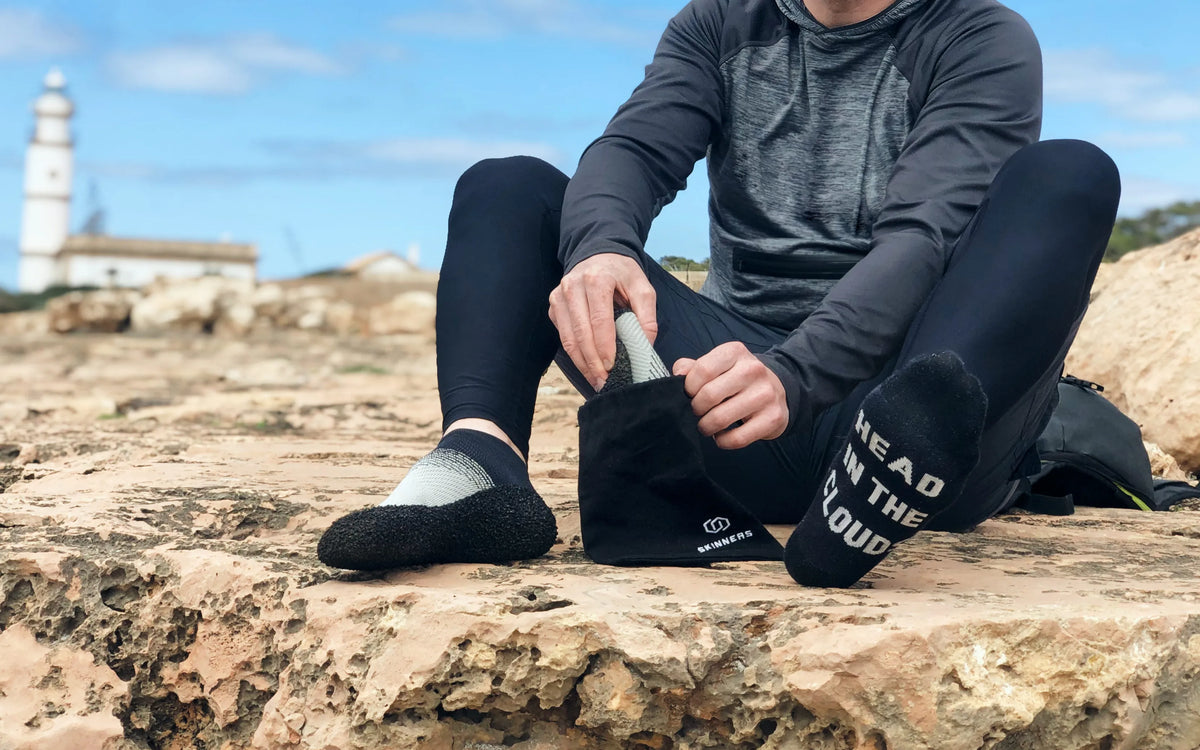
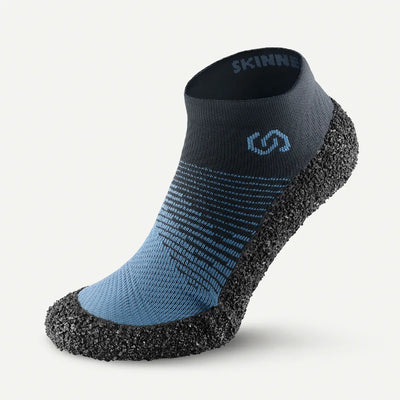
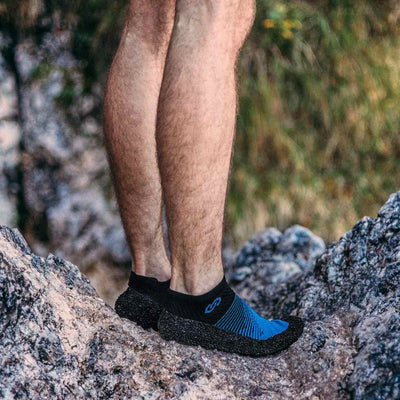
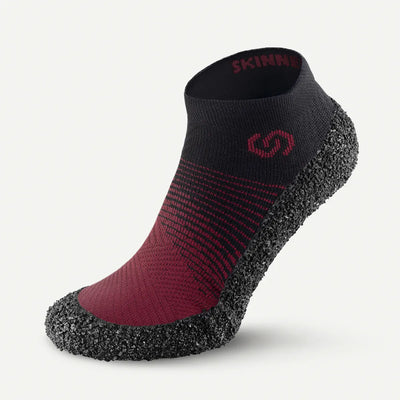
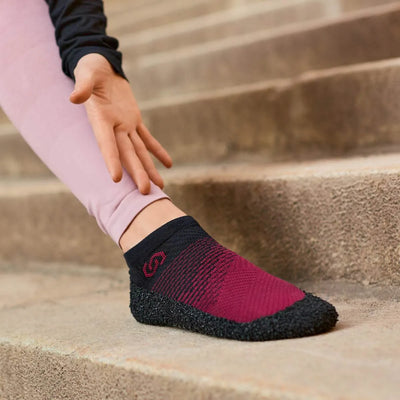
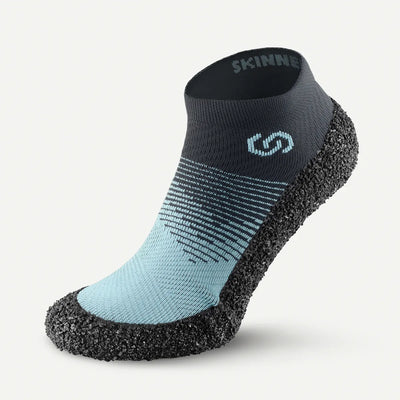
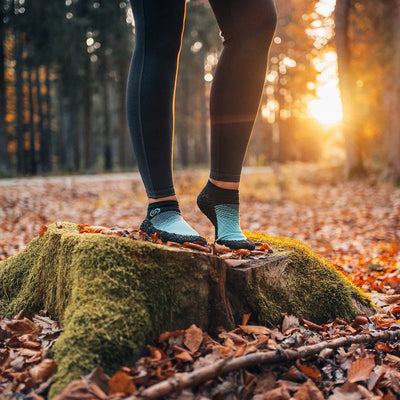
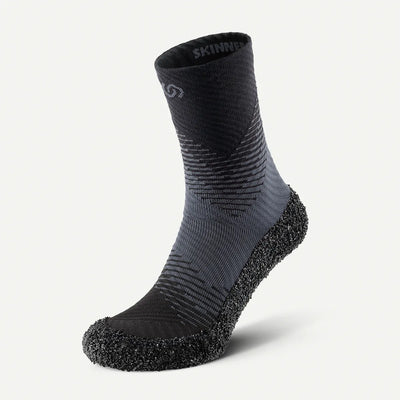
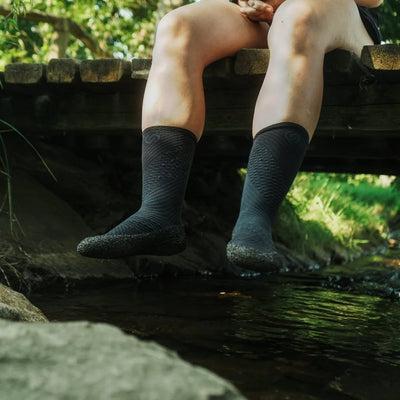
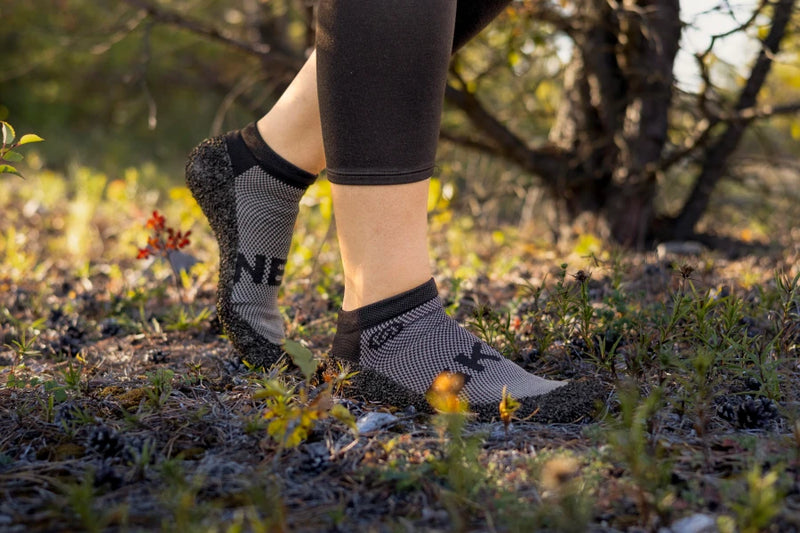
Sock shoes are your go-to when you want as little shoe and as much feel for movement as possible. They're happiest on soft ground: forest and sandy trails, the beach, the garden, water, travel, the gym or yoga.
They're not a replacement for everyday shoes, though. Long walks on asphalt or sharp, rocky terrain shorten their lifespan. The sole protects against abrasion and small bumps, but sharp objects like a nail, broken glass or a sea urchin can pierce it.
Tip: Sizing is indicative. Try them on at home before first use. They shouldn't press around the toes.
Barefoot shoes: every model has its purpose
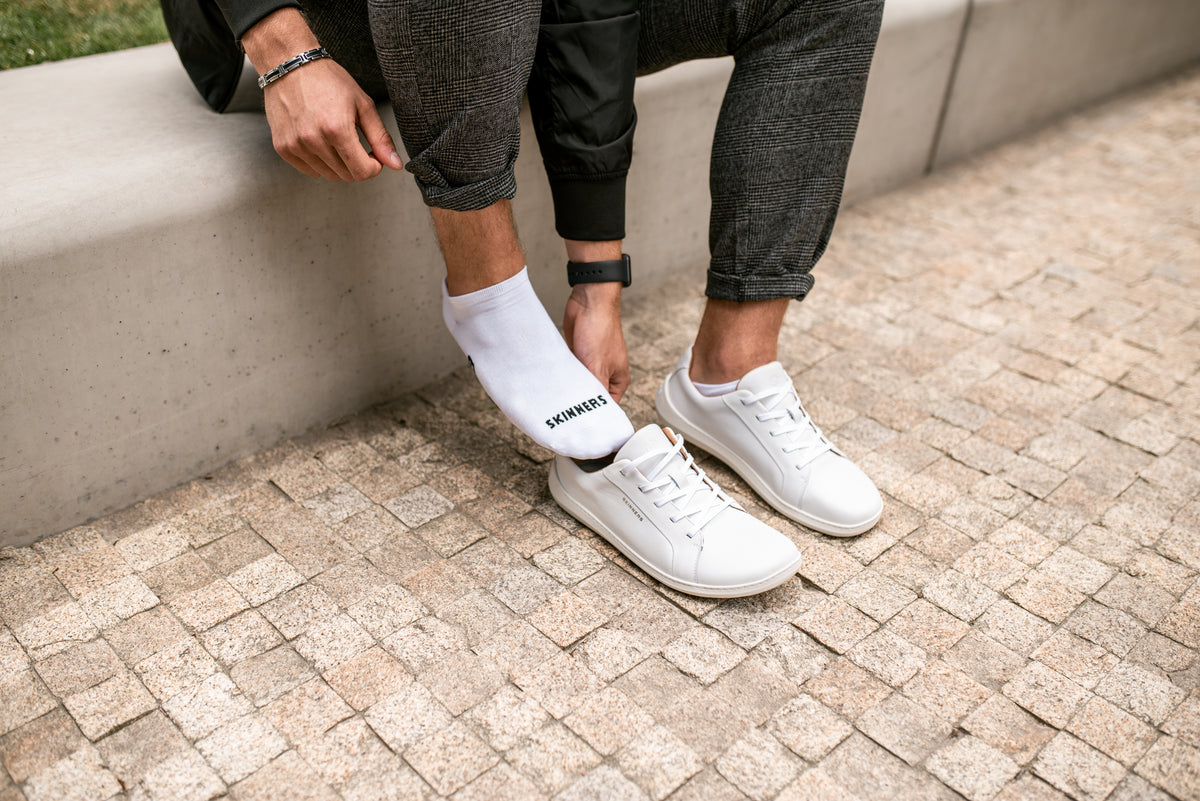
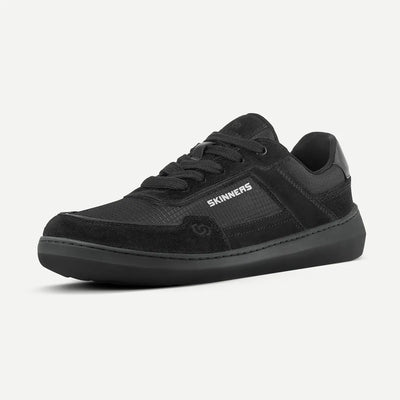
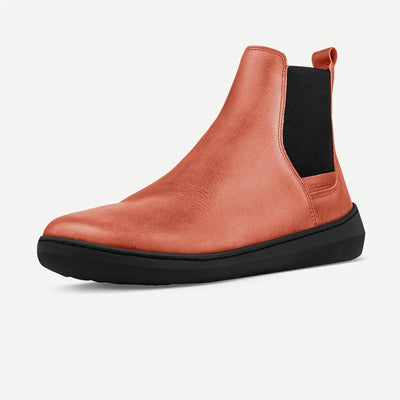
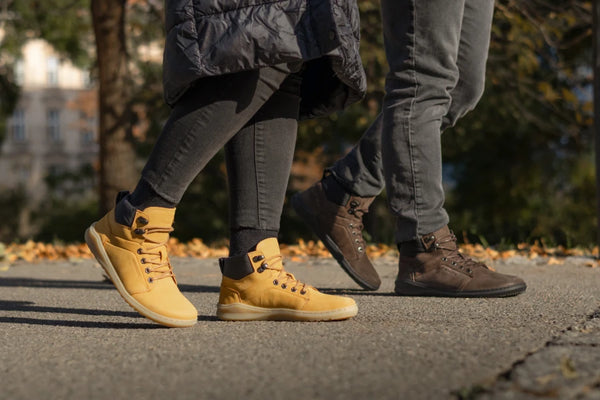
Our barefoot shoes are made for everyday wear in the city. Each type handles something different, though. When choosing, check which category a model belongs to and wear it accordingly. Shoes last longer when you rotate them rather than wearing the same pair every day.
If you're new to barefoot, give your feet time. The transition is a gradual process, not a sprint. 👉 How to switch to barefoot shoes
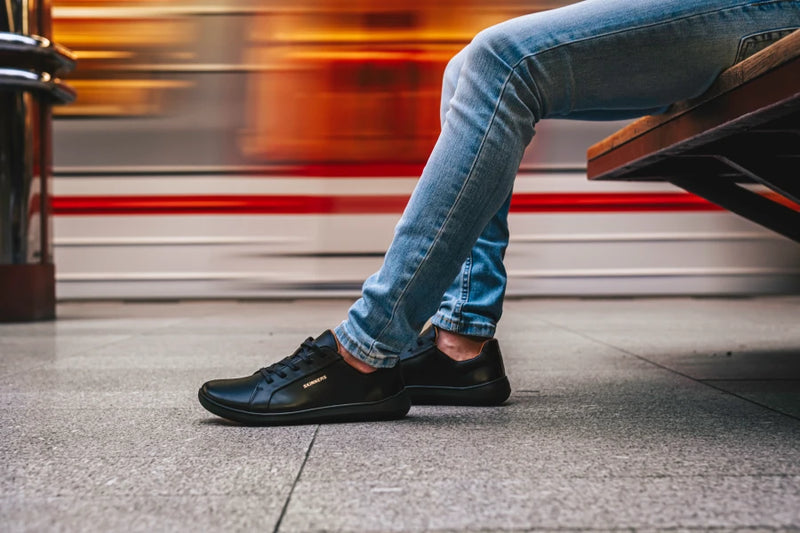
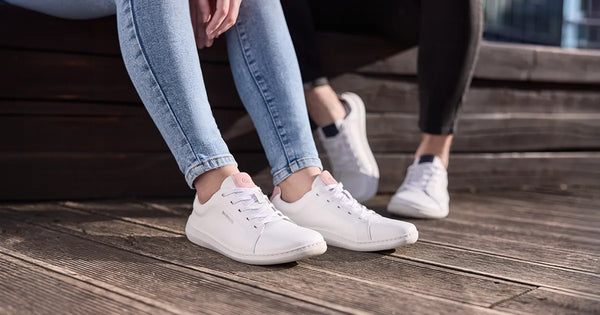
Casual
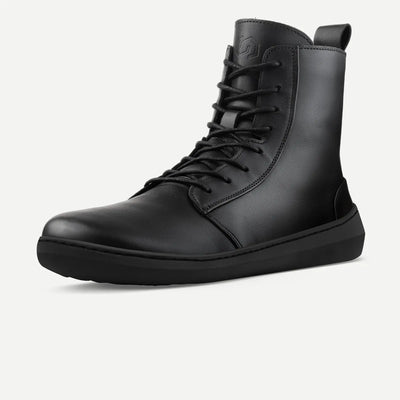
For everyday wear in the city and on easy paths, outdoors and indoors. Wear closed models down to −5 °C. Not designed for deep snow.
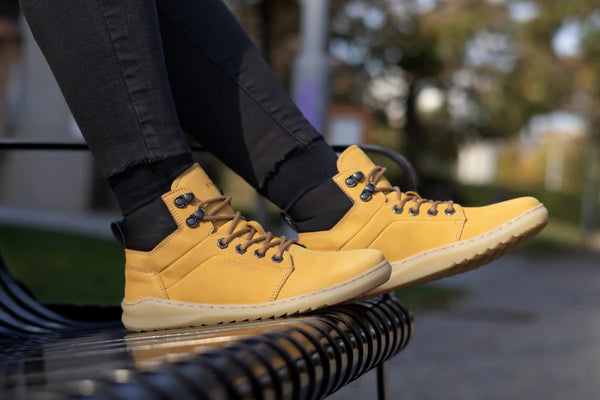
Winter
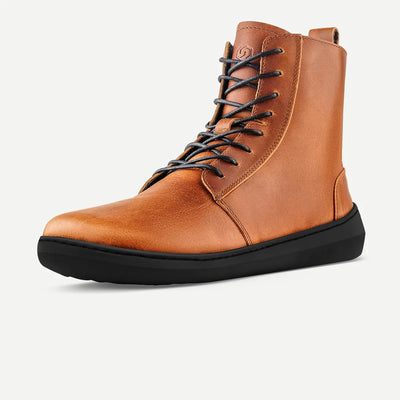
Insulated with a more pronounced sole tread, for cold days and winter walks. Wipe off salt and snow after every wear.
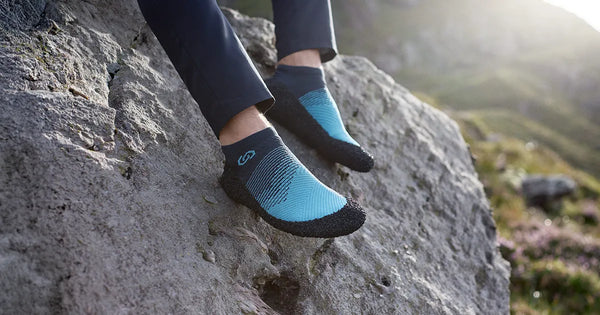
Leisure
For free time, trips and maintained nature trails.
A little care, years of wear
Sock shoes: let them dry and air out after every wear. Wash them in a laundry bag at max. 30 °C or by hand, without spinning and without a tumble dryer. Unlike shoes, sock shoes can be dried on a radiator.
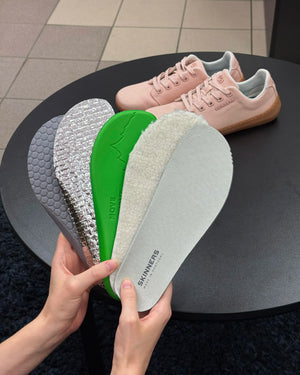
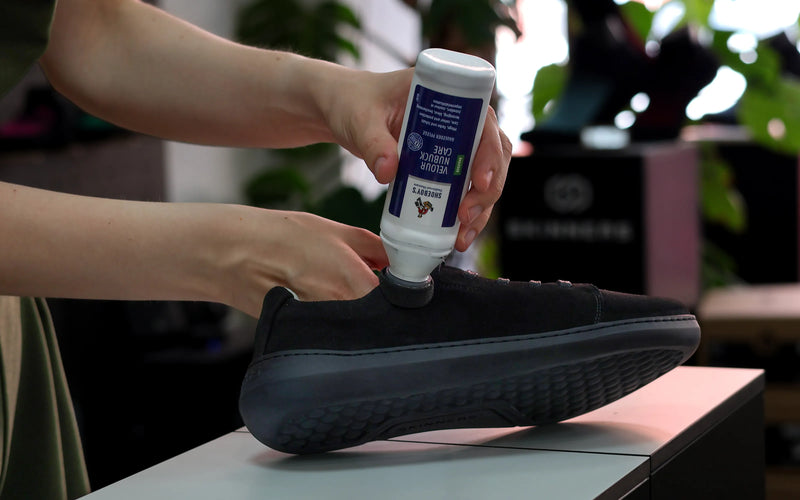
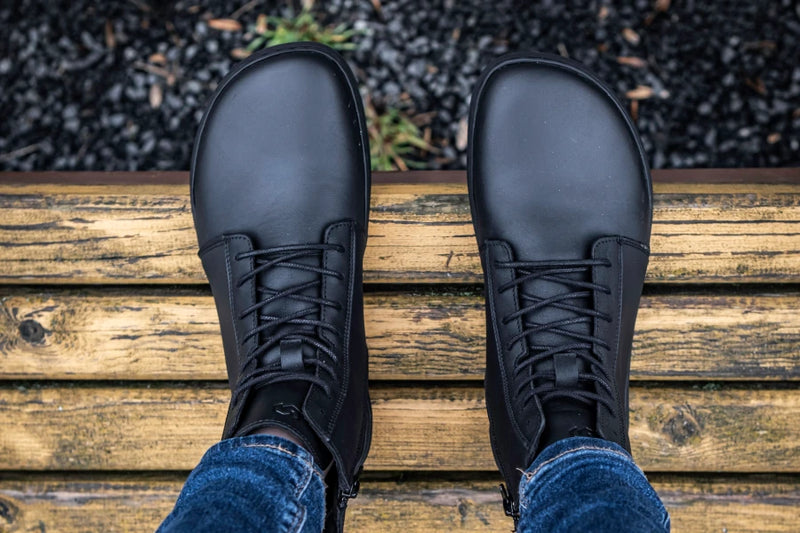
Shoes: dry them slowly at room temperature, away from radiators. Waterproof leather and nubuck before first wear and care for them with products suited to the material. Never wash shoes in a washing machine.
What's normal and what's not
No. The knit naturally wears with use, and small pills or fine surface cracks are part of that.
Our sock shoes are handmade, so small differences in appearance are normal and don't affect function.
No leather is fully waterproof, and stitched shoes let in more moisture. Regular waterproofing helps. For wet snow, reach for a winter model.
That's common with natural leather. Some leathers develop a patina on purpose.
With heavier sweating or moisture, the lining may release some colour.
It's a sign the transition is going too fast. Wear them less and give your feet more time.
Consult a doctor or physiotherapist before switching to barefoot shoes or sock shoes.
Full information on use, care and complaints is in the product leaflets you can download below. Missing something? Write to us at [email protected].